2026
Redesigning a White-label Community Platform
Role
Timeline
4 months
Team
Key impact
Admin complaints
~40%
Reduction in usability complaints on most friction-heavy workflows based on support team feedback
Components
50+
Reusable patterns across buttons, cards, fields, and navigation
✶
Reduced fragmentation across the platform through unified interaction patterns
✶
Accelerated future work by establishing shared design and development foundations
✶
Improved client satisfaction by addressing recurring feedback around workflows and information access
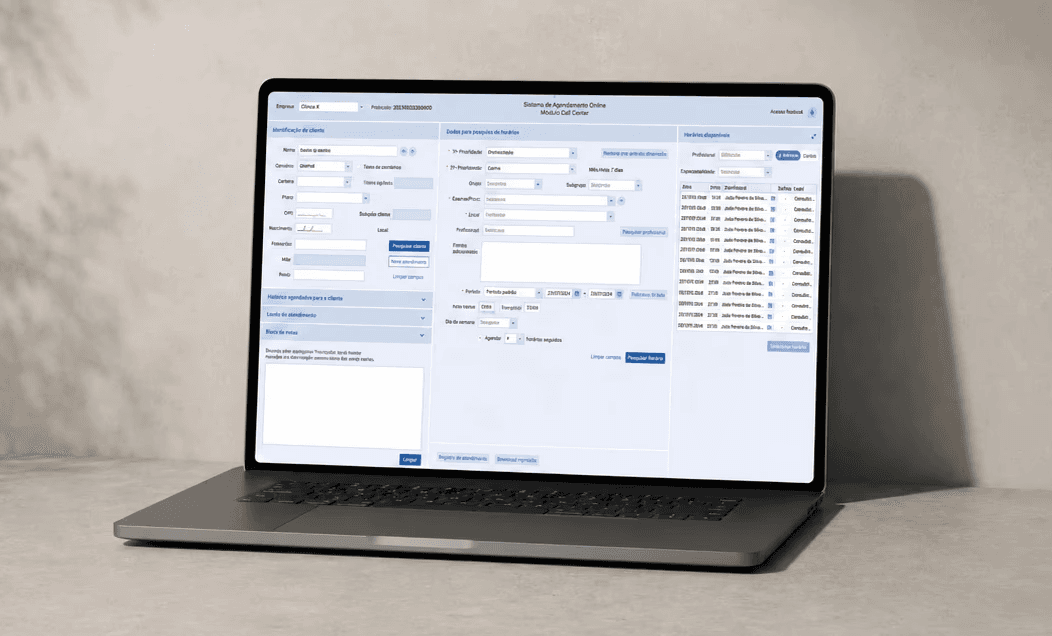
Original admin experience compared with the redesigned platform
Context
When I joined the company, the platform was growing rapidly and had recently adopted a new visual identity.
As one of my first projects, I immersed myself in the product by reviewing support tickets, discussing recurring client feedback with the team, and participating in conversations with creators using the platform.
A consistent pattern quickly emerged: many usability complaints were concentrated in the admin experience, where creators managed members, payments, content, analytics, and community settings.
While individual issues varied, most pointed to the same underlying problem: the platform had evolved quickly without shared interaction patterns or reusable structures.
The redesign became an opportunity not only to modernize the interface, but to create foundations that could support future growth more effectively.
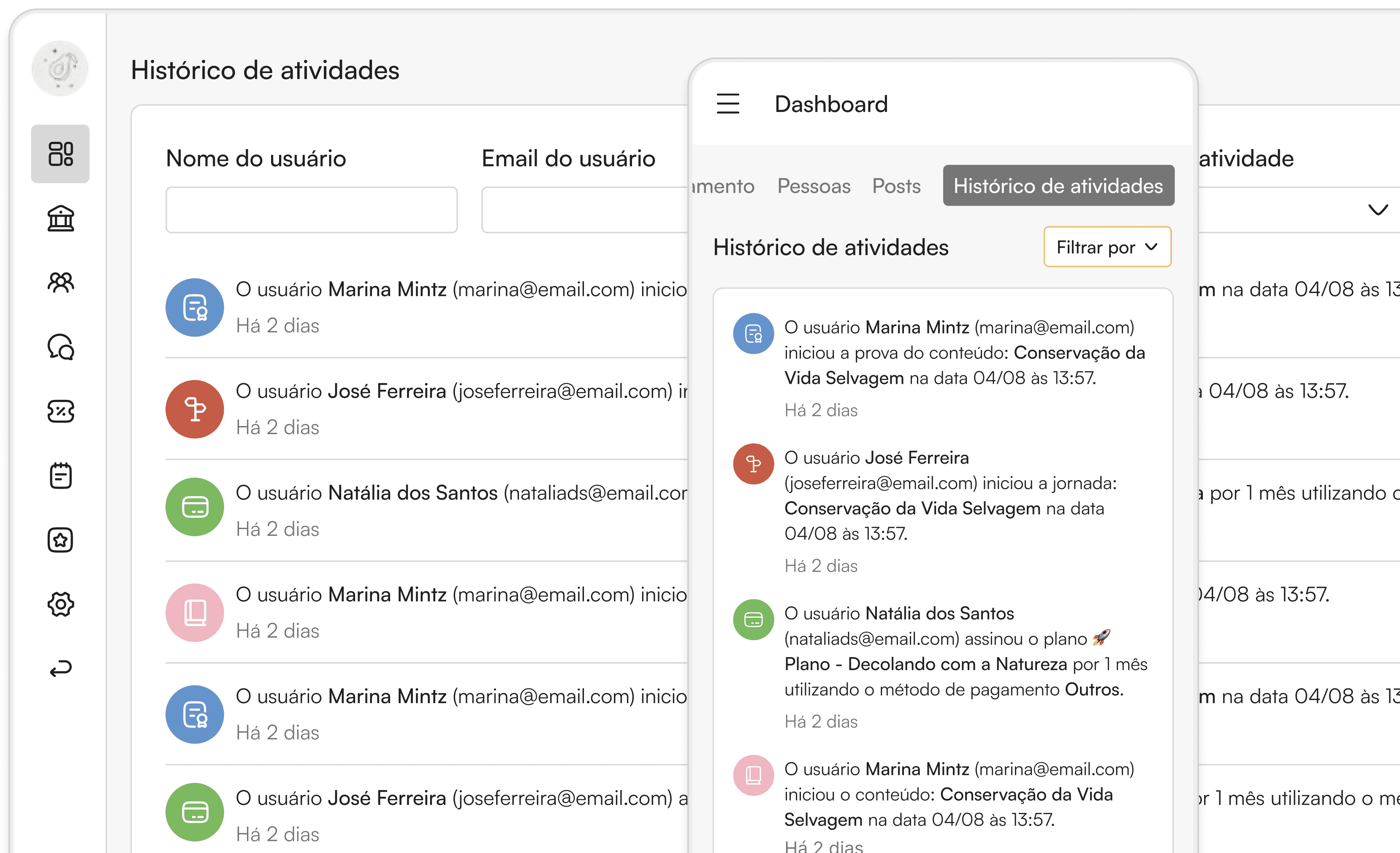
Consistent patterns adapted across desktop and mobile experiences
Discovery
The admin area concentrated the platform's most complex workflows and appeared most frequently in client feedback, support requests, and internal discussions.
To understand the scope of the work, I mapped the platform section by section, cross-referenced recurring patterns with support tickets, and spoke with the team about the most common client complaints. This allowed me to identify where friction was most concentrated before defining the redesign scope.
Several issues appeared repeatedly across the admin experience:
Similar components behaved differently across sections
Navigation patterns lacked consistency
Information-heavy pages had weak hierarchy
Admin and member experiences felt disconnected
New features often introduced new patterns instead of reusing existing ones
These inconsistencies increased complexity for users while also making the platform harder to maintain and evolve over time.
Problem definition
Problem
The platform lacked shared patterns and reusable structures, causing similar workflows to behave differently across sections and making the product increasingly difficult to scale.
Hypothesis
Establishing shared UI patterns and reusable components would reduce user friction in the short term while making the platform faster and less costly to evolve over time.
Direction
Rather than redesigning screens individually, I focused on creating reusable foundations that could improve consistency, simplify workflows, and support future growth across the platform.
Key design decisions
Standardizing reusable patterns
Problem
As the platform grew, tables, forms, cards, and buttons evolved independently, creating inconsistent interactions across workflows.
Decision
I established reusable UI patterns that could be applied consistently across the admin experience.
Expected outcome
Reduce visual fragmentation and create foundations that could support future features more efficiently.
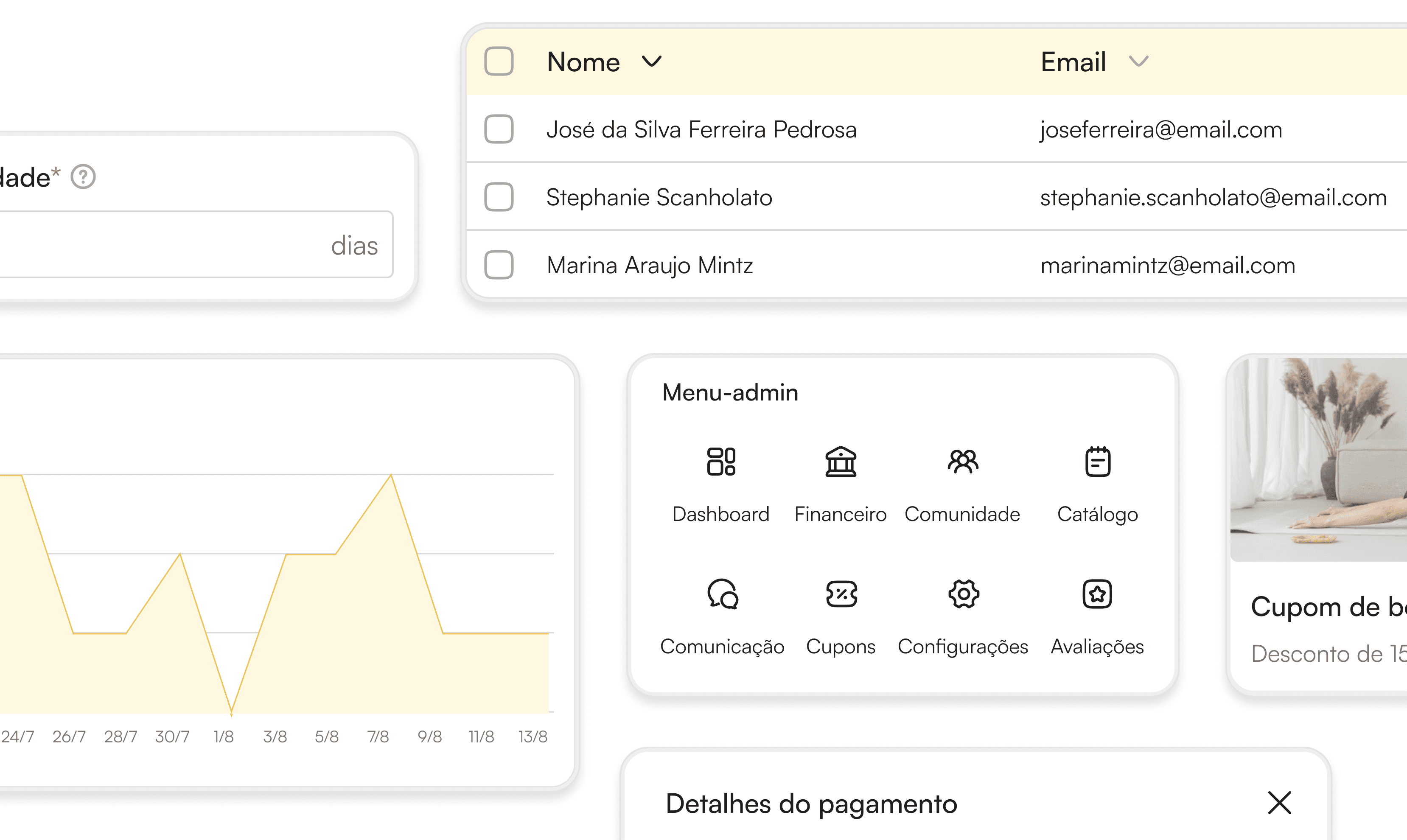
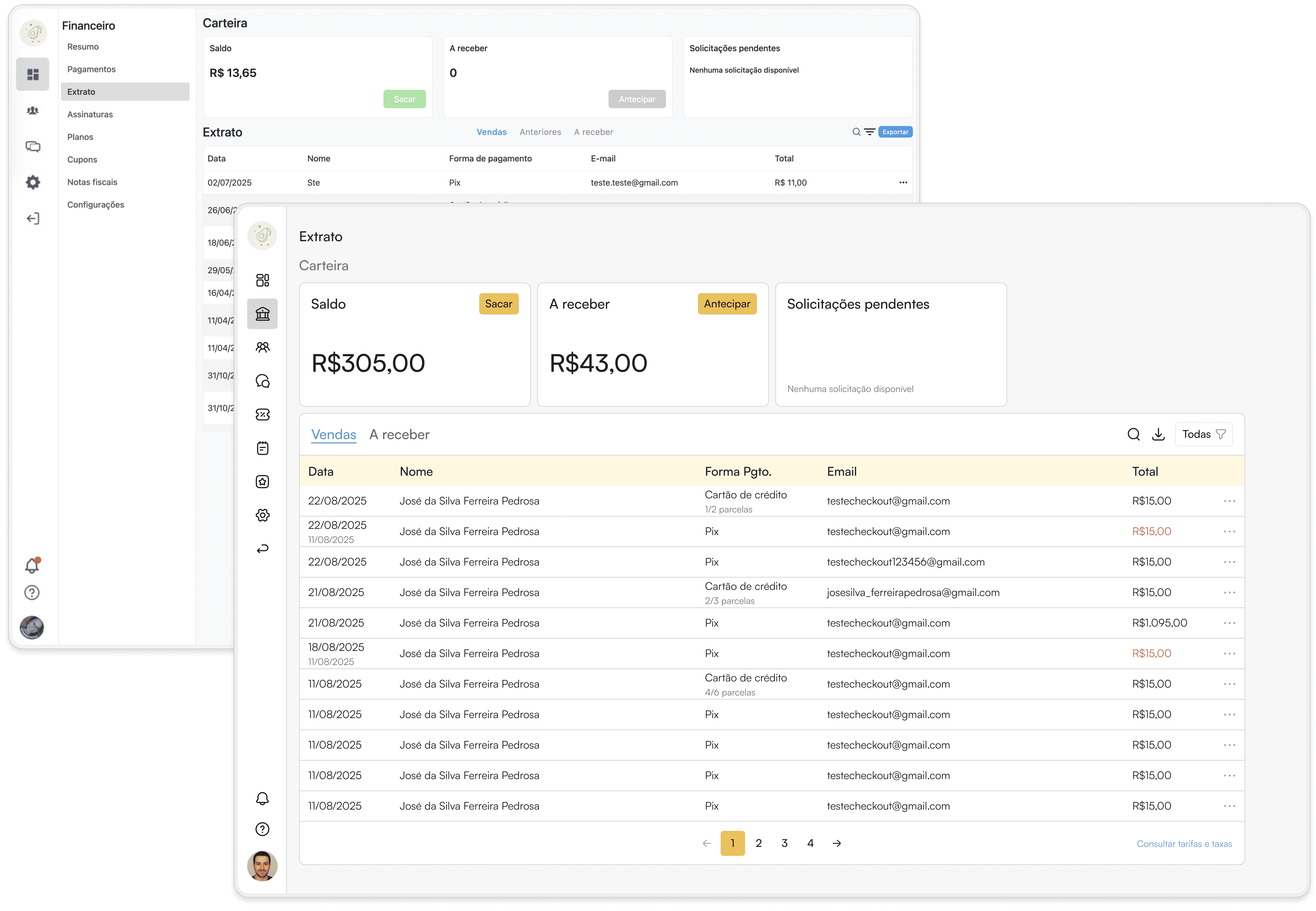
Reusable patterns established consistency across forms, tables, navigation, cards, and analytics views
Improving hierarchy and structure
Problem
Information-heavy screens made it difficult for administrators to identify key information and actions quickly.
Decision
I introduced clearer hierarchy through spacing, typography, content grouping, and action prioritization.
Expected outcome
Make complex pages easier to scan and reduce cognitive load during administrative tasks.
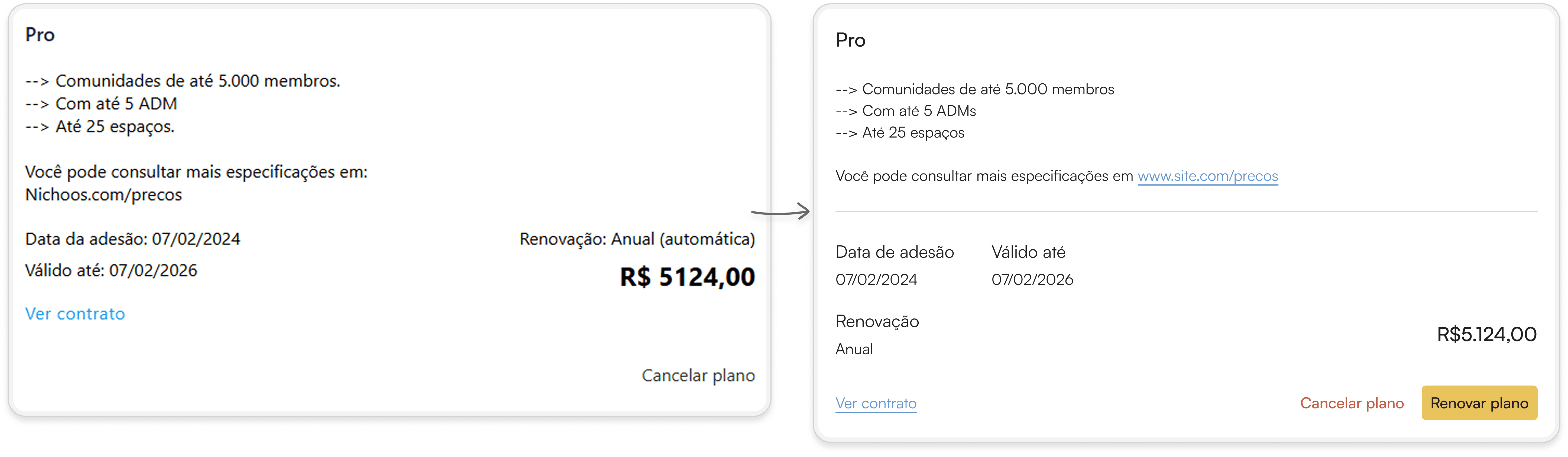
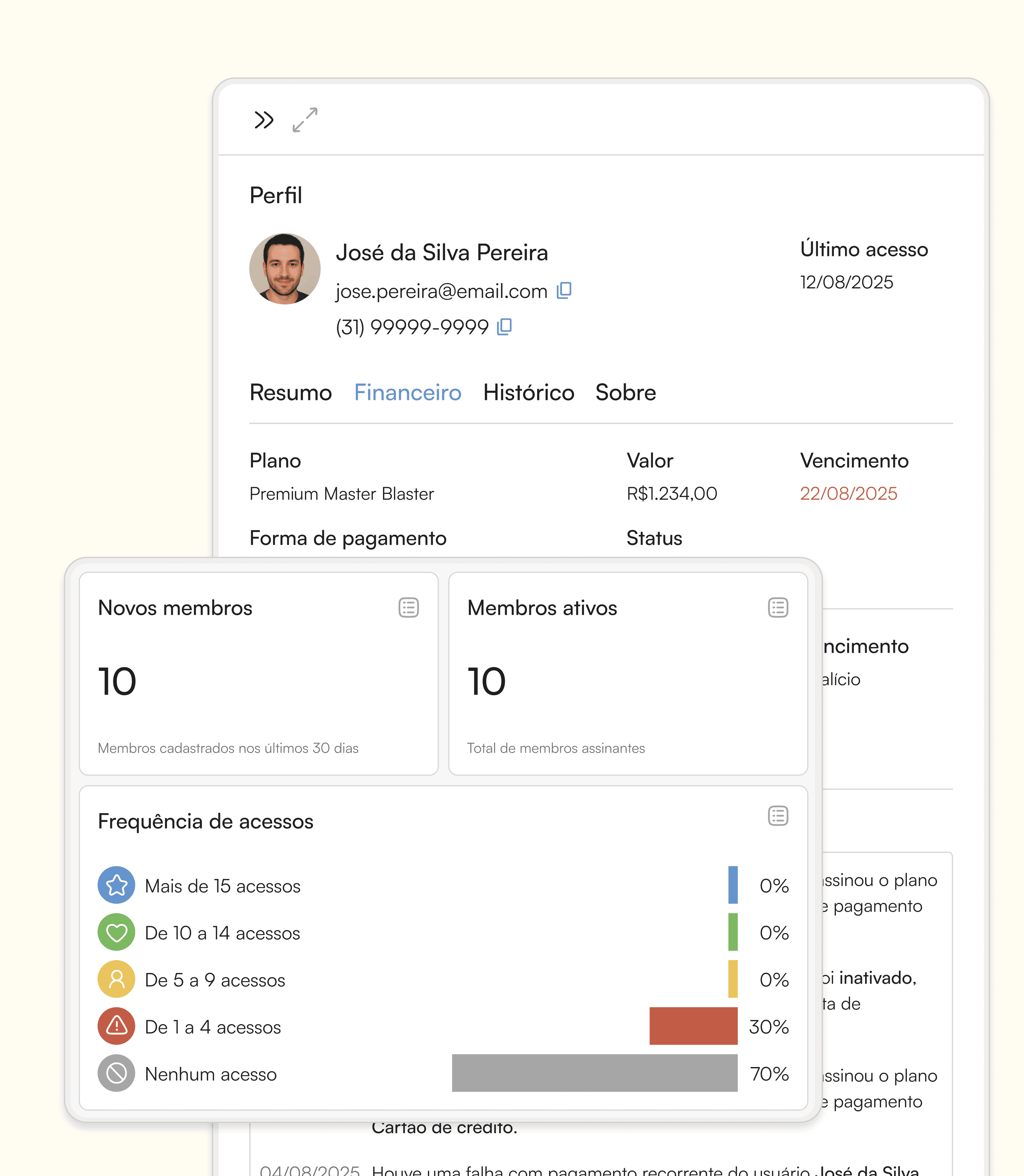
Restructuring the current plan experience for clearer hierarchy and actions
Simplifying operational workflows
Problem
Key information was often fragmented across multiple screens, requiring unnecessary navigation.
Decision
Related information was consolidated into more centralized views that better reflected administrator workflows.
Expected outcome
Reduce context switching and make common tasks more efficient.
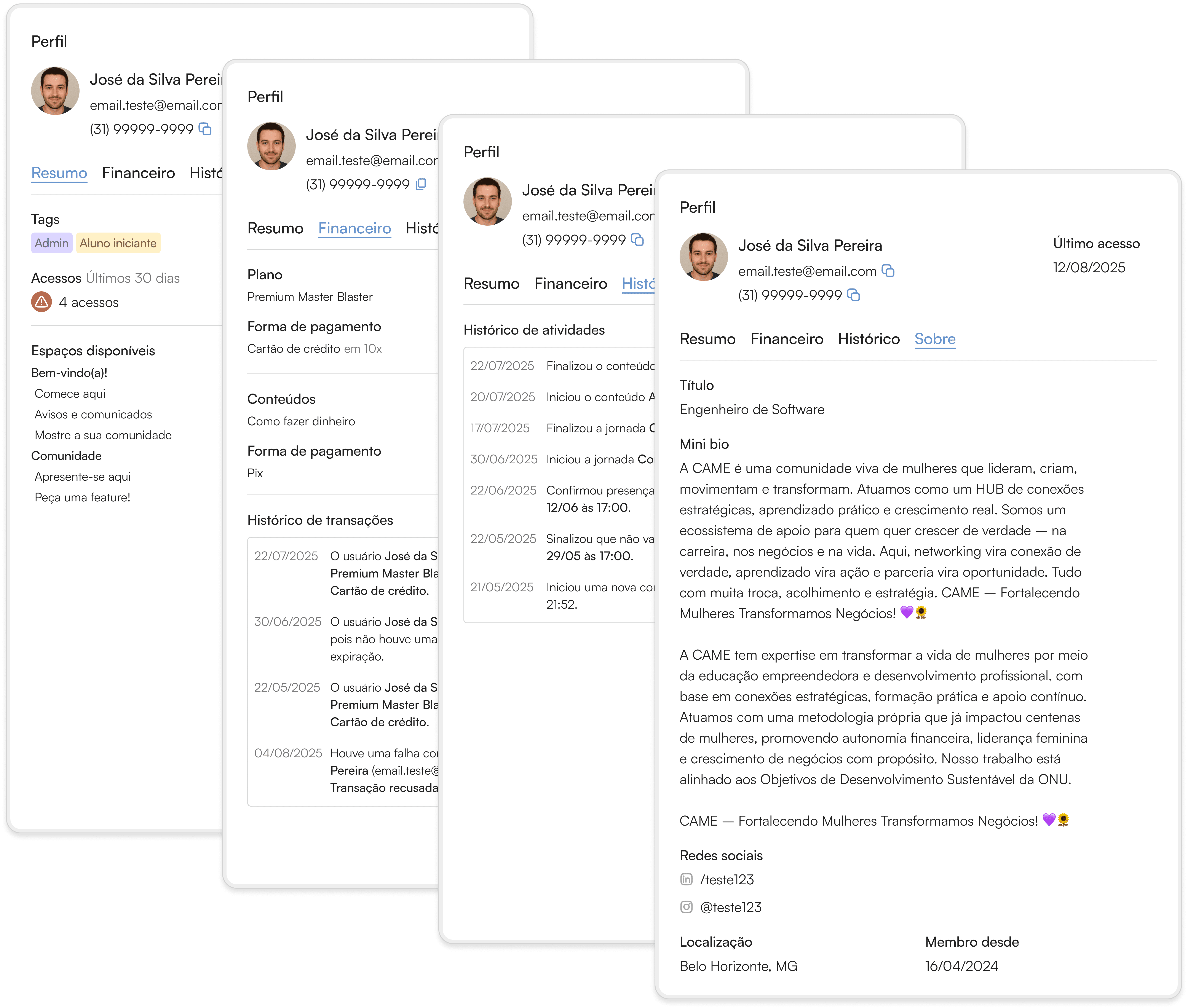
Bringing fragmented member data into a single workflow
Aligning admin and member experiences
Problem
The admin area and member-facing platform evolved separately, resulting in inconsistent patterns and visual language.
Decision
Shared UI structures and interaction patterns were introduced across both sides of the platform.
Expected outcome
Create a more cohesive product experience while reducing design inconsistency.
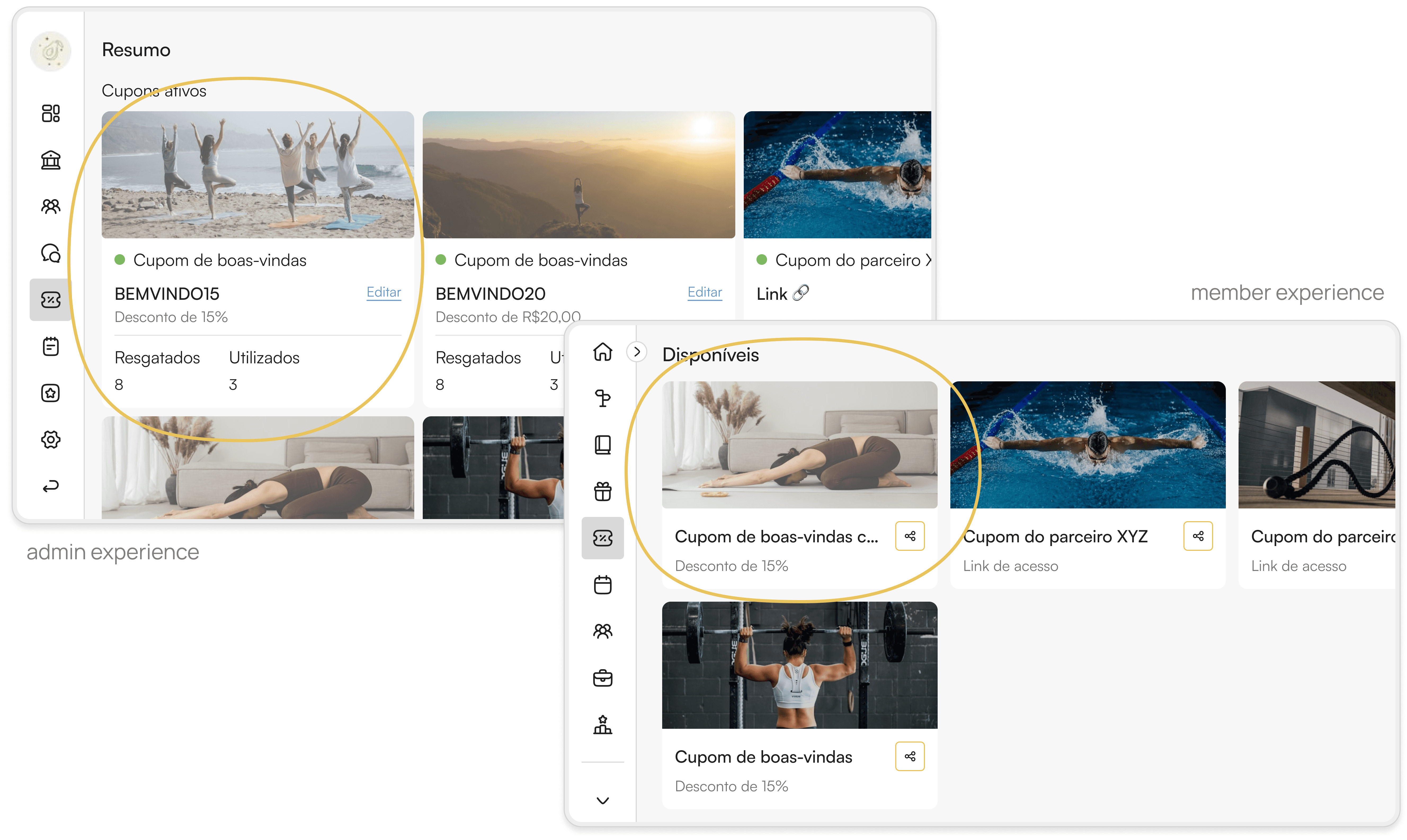
Shared patterns helped create a more cohesive experience across the platform
Design system & expansion
Once reusable patterns and structures were established in the admin experience, they could be applied significantly faster across the rest of the platform.
The same foundations later supported redesign efforts in member-facing experiences, creating greater consistency while reducing repeated design work.
Because core UI patterns and components had already been defined and implemented, both design and development became faster when expanding improvements into new areas of the platform.
Outcomes
The redesign was implemented within a small team while the platform continued to evolve. Balancing ongoing feature development with long-term consistency required prioritizing improvements that could address immediate usability issues while also strengthening the platform's foundations.
The results validated our initial hypothesis — shared patterns reduced user friction, and the component foundation made future work faster to scale:
Support reported approximately a 40% reduction in admin-related complaints on the platform's most friction-heavy workflows
The 50+ reusable components established across buttons, cards, fields, and navigation made new feature design and development noticeably faster
Consolidated member views addressed recurring creator feedback around information accessibility and workflow fragmentation
Unified interaction patterns across admin and member experiences reduced the visual and behavioral fragmentation that had accumulated over time
Reflection
This project reinforced how quickly product complexity grows when platforms evolve without shared patterns and reusable structures.
More than redesigning individual screens, the work became an exercise in creating foundations that improved usability today while making future design and development work faster and more scalable.